
Car insurance in America feels more expensive than ever in 2026. The average full coverage policy in the United States now costs around $2,300 to $2,500 per year, depending on the source and state. That means many drivers are paying nearly $200 every month just to stay legally protected on the road. (NerdWallet)
The good news? You do not need to accept sky-high premiums as your fate. This guide on How to Get Cheap Car Insurance in the USA: 15 Proven Ways (2026 Guide) will show you practical, beginner-friendly, and realistic methods to lower your insurance costs without sacrificing important coverage. Think of car insurance like shopping for airline tickets. Two people can sit next to each other on the same flight while paying completely different prices. Insurance works the same way. Companies calculate risk differently, and smart drivers know how to use that system to their advantage.
Whether you are a teenager getting insured for the first time, a college student, a family driver, or someone frustrated by rising premiums, these strategies can help you save hundreds or even thousands of dollars every year.
Why Car Insurance Costs Are Rising in 2026
If you feel shocked every time your insurance renewal email arrives, you are not alone. Insurance rates across the United States have increased sharply over the last few years. One major reason is inflation. Repairing modern cars is now extremely expensive because vehicles are loaded with sensors, cameras, smart technology, and advanced safety systems. Even a small accident can cost thousands of dollars to repair. Insurance companies pass these costs directly to drivers through higher premiums.
Another reason is the increase in accident claims and lawsuits. Medical bills are higher, legal settlements are larger, and replacement parts are more expensive than before. According to recent 2026 industry reports, full coverage car insurance averages more than $2,300 annually nationwide. (NerdWallet) Drivers in some cities pay far more. States with higher accident rates and theft problems often see dramatically inflated premiums.
The situation may sound discouraging, but here is the important thing to remember: insurance companies calculate prices differently. One company may charge you $250 monthly while another offers nearly identical coverage for $140. That is why learning how insurance works can feel like unlocking cheat codes in a video game. Small adjustments in your driving habits, coverage choices, and payment methods can create major savings.
Compare Multiple Insurance Quotes
The fastest way to lower your car insurance bill is surprisingly simple: compare quotes. Many drivers stay with the same insurer for years because they believe loyalty automatically earns better rates. In reality, insurers often increase premiums gradually over time. A recent online discussion among drivers revealed that many people saved hundreds simply by switching providers after years with one company. (Reddit)
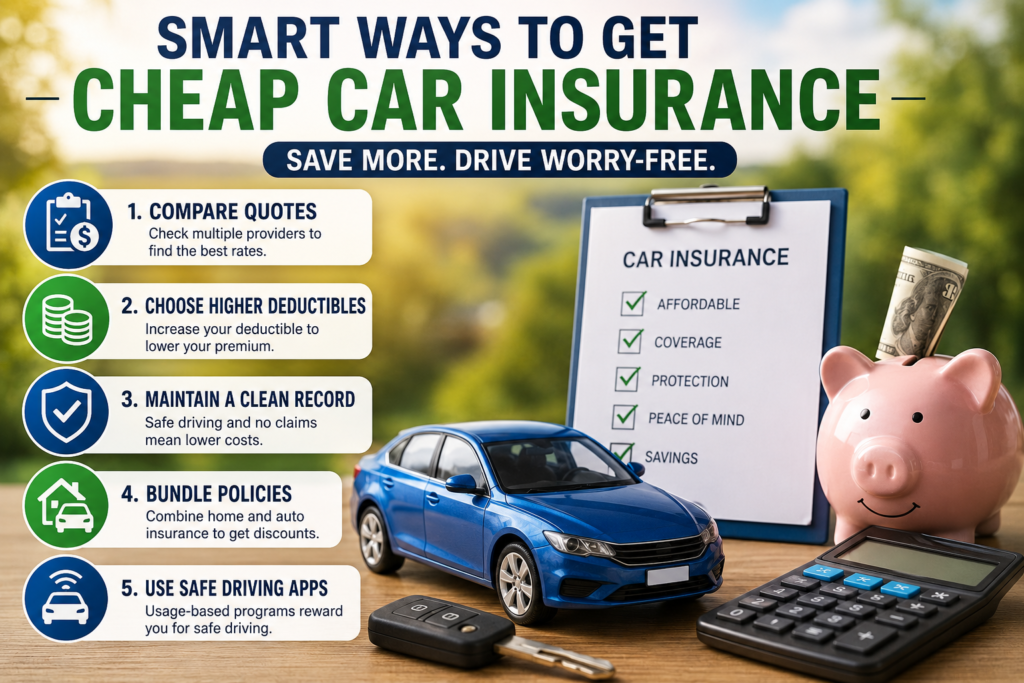
Insurance companies use different formulas to measure risk. One company may consider your ZIP code the most important factor, while another focuses more on your age or driving history. Because of this, rates can vary wildly. Getting at least three to five quotes every year can expose huge differences in pricing. This process takes a little effort, but the savings can be massive.
When comparing quotes, make sure the coverage levels are identical. Comparing a minimum liability plan to a full coverage policy is like comparing a bicycle to a sports car. The prices will obviously look different. Look at liability limits, deductibles, collision coverage, and comprehensive protection carefully before deciding. Cheap insurance only helps if it actually protects you when something goes wrong.
Increase Your Deductible Carefully
Your deductible is the amount you pay out of pocket before insurance starts covering repair costs. Choosing a higher deductible usually lowers your monthly premium. For example, increasing your deductible from $500 to $1,000 could significantly reduce your yearly insurance costs.
Imagine insurance as a shared financial umbrella. The more responsibility you agree to handle yourself, the less the insurer charges you every month. This strategy works especially well for safe drivers who rarely file claims. If you have a solid emergency fund, taking on a higher deductible can save serious money over time.
Still, you should never choose a deductible you cannot realistically afford. A lower monthly bill feels great until an accident happens and you suddenly need to pay $1,000 immediately. Think about your financial situation honestly before adjusting this number. Smart savings should reduce stress, not create new problems.
Bundle Policies for Bigger Discounts
Insurance companies love customers who buy multiple products from them. That is why bundling policies often leads to large discounts. If your family already has homeowners insurance, renters insurance, or another vehicle insured, combining everything with one provider may lower your total costs.
Home and Auto Bundles
Bundling home and auto insurance can sometimes reduce premiums by 10% to 25%. Families especially benefit because insurers view bundled customers as more stable and loyal. It is similar to buying a combo meal instead of separate menu items. Companies reward customers who spend more across different products.
Bundling also makes life simpler. Instead of managing multiple payments, logins, and customer service numbers, everything stays under one account. That convenience matters more than people realize. However, do not assume bundles are automatically the cheapest option. Always compare the bundled total against separate policies from competing companies.
Some insurers heavily advertise bundle discounts while quietly raising prices elsewhere in the policy. That is why reviewing every detail matters. A bundle should genuinely reduce your total costs, not just create the illusion of savings.
Maintain a Clean Driving Record
Safe driving remains one of the most powerful ways to reduce insurance costs. Speeding tickets, accidents, DUIs, and reckless driving violations dramatically increase premiums. Insurance companies view these drivers as high-risk customers who are more likely to file expensive claims.
Even one accident can raise your rates for several years. Some drivers see increases of hundreds or thousands of dollars annually after a major violation. Think of your driving history like a school report card. Good grades open doors to scholarships, while bad grades create obstacles. Insurance companies use the same logic with driver records.
Defensive driving habits save more than money. They protect lives, reduce stress, and help avoid legal trouble. Following speed limits, avoiding distractions, and staying alert behind the wheel may sound basic, but these habits directly impact your financial future. Safe driving is not just responsible—it is profitable.
Use Usage-Based Insurance Programs
One of the biggest trends in How to Get Cheap Car Insurance in the USA: 15 Proven Ways (2026 Guide) is usage-based insurance, also called telematics insurance. These programs use smartphone apps or devices to monitor driving habits such as speed, braking, mileage, and driving times.
Many insurers now offer major discounts for safe drivers using these systems. Some programs advertise savings of up to 40% for responsible driving behavior. (Compare.com) Low-mileage drivers can save even more through pay-per-mile insurance models.
Telematics and Safe Driving Apps
Usage-based insurance works best for careful drivers who avoid risky behavior. If you drive calmly, avoid late-night trips, and rarely speed, these programs can dramatically lower your rates. Companies like State Farm, Nationwide, and Allstate continue expanding telematics programs in 2026. (Compare.com)
Still, these programs are not perfect for everyone. Some drivers dislike sharing driving data with insurance companies. Others may see smaller discounts if they brake hard frequently or drive during high-risk hours. Before joining, read the program details carefully and understand how your data will be used.
Choose the Right Car
The vehicle you drive has a massive impact on insurance costs. Sports cars, luxury vehicles, and high-performance models usually cost far more to insure because repairs are expensive and accident risks are higher. Meanwhile, practical sedans and family-friendly vehicles often receive lower premiums.
Cars with strong safety ratings, lower theft rates, and affordable repair costs typically qualify for cheaper insurance. Insurers analyze crash statistics constantly. If a particular vehicle model appears in frequent claims, rates rise quickly for owners of that car.
Cars That Cost Less to Insure
Affordable vehicles with reliable safety records often produce the best insurance savings. Compact SUVs, standard sedans, and family vehicles usually cost less than flashy sports models. Choosing a vehicle based solely on appearance can backfire financially. That shiny sports coupe may look exciting, but the insurance payments could feel like carrying a second car loan.
Before buying any car, get insurance quotes first. Many people forget this step and later regret purchasing a vehicle that costs a fortune to insure. Smart shoppers compare insurance costs before signing paperwork at the dealership.
Improve Your Credit Score
In many U.S. states, insurance companies use credit-based insurance scores to calculate premiums. Drivers with strong credit often receive lower rates because insurers believe they file fewer claims overall.
Improving your credit score may help reduce insurance costs over time. Paying bills on time, reducing debt, and avoiding missed payments can strengthen your financial profile. Think of your credit score as your financial reputation. A stronger reputation signals responsibility, and insurers reward that behavior.
This system is controversial because critics argue it unfairly affects lower-income drivers. Still, it remains common practice in many states. Understanding how credit impacts insurance allows you to make smarter long-term decisions.
Ask About Hidden Discounts
Many insurance discounts are never automatically applied. You often need to ask specifically about them. Some drivers lose out on major savings simply because they never ask the right questions.
Common discounts include:
| Discount Type | Potential Savings |
|---|---|
| Good Student Discount | 10%–25% |
| Safe Driver Discount | 10%–40% |
| Multi-Car Discount | 10%–25% |
| Defensive Driving Course | 5%–15% |
| Low Mileage Discount | Varies |
| Auto-Pay Discount | Small monthly savings |
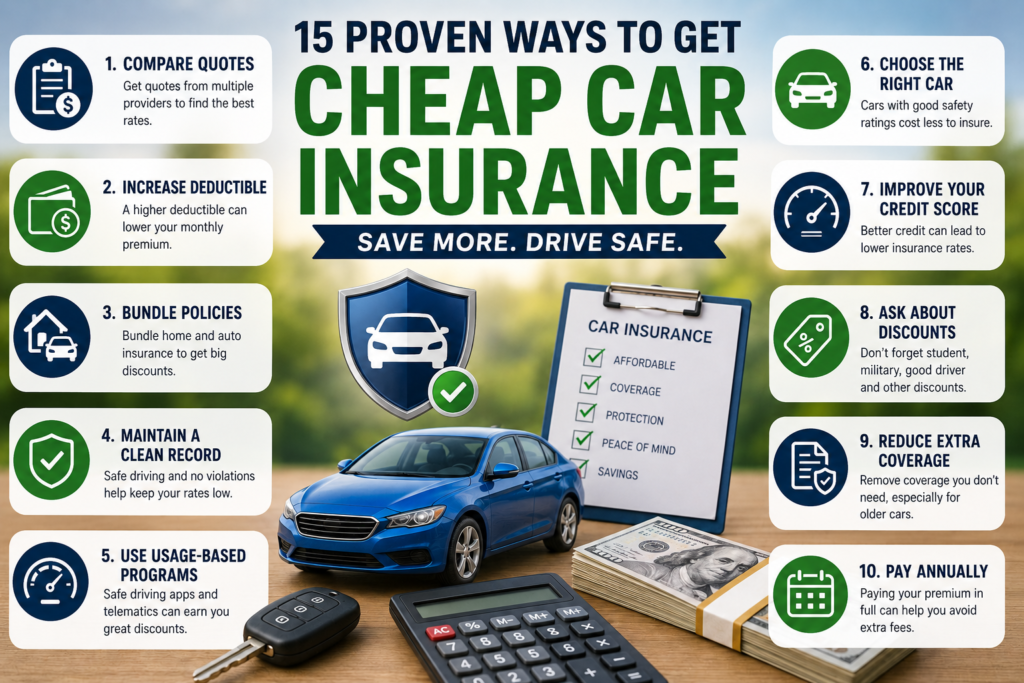
Student and Military Discounts
Students with strong grades often qualify for discounts because insurers associate academic success with responsible behavior. Military families may also receive special pricing through select providers. Some companies offer unique discounts for deployed service members or vehicles stored on military bases. (The Wall Street Journal)
Even smaller discounts matter. Stacking several discounts together can create huge annual savings. Never assume the insurer automatically applies every possible reduction.
Reduce Unnecessary Coverage
Older cars may not need expensive full coverage policies. If your vehicle is worth only a few thousand dollars, collision and comprehensive coverage might cost more than the car itself over time.
This decision depends on your financial situation. Dropping unnecessary coverage can reduce premiums substantially, but it also increases personal risk. Imagine carrying an expensive protective case for a phone that barely functions anymore. At some point, the protection becomes more expensive than the item being protected.
Review your vehicle’s current market value honestly before paying for extra coverage. Drivers with older vehicles often save significant money by adjusting coverage levels carefully.
Pay Your Premium Annually
Monthly payments feel easier because they spread costs over time, but insurers often charge extra fees for installment billing. Paying your premium annually or every six months may reduce your total cost.
Auto-pay discounts can also help. Some insurers reward customers who set up automatic payments because it reduces administrative work and missed payments. Online discussions among drivers frequently highlight these small but useful savings opportunities. (Reddit)
While annual payments require larger upfront cash, they often reduce overall spending. Think of it like buying in bulk at a warehouse store. Paying more upfront sometimes creates long-term savings.
Drive Fewer Miles
The fewer miles you drive, the lower your risk of accidents. That is why low-mileage drivers often qualify for cheaper insurance.
Pay-per-mile insurance programs are becoming increasingly popular in 2026. These policies calculate part of your premium based on actual mileage driven. Drivers who work remotely, use public transportation, or rarely commute can benefit significantly. (The Wall Street Journal)
Average Americans drive over 13,000 miles yearly, according to recent reports. Drivers below that threshold may qualify for better rates. (The Wall Street Journal) Even reducing unnecessary trips can help improve your driving profile.
Add Safety Features to Your Vehicle
Cars with advanced safety systems often qualify for discounts. Features like anti-lock brakes, airbags, lane departure warnings, anti-theft systems, and backup cameras reduce accident risks.
Insurance companies love anything that lowers claim probability. Safety features act like armor for your car. The stronger the protection, the lower the insurer’s financial risk.
Modern vehicles increasingly include these systems automatically, but older vehicles may benefit from aftermarket security upgrades. Ask your insurer which features qualify for discounts before spending money on upgrades.
Take a Defensive Driving Course
Defensive driving courses teach accident prevention skills and safe driving habits. Many insurers reward drivers who complete approved courses with premium reductions.
These programs are especially useful for younger drivers and older adults. Some courses are online, inexpensive, and completed within a few hours. According to community discussions, defensive driving classes can provide meaningful savings while improving road safety. (Reddit)
Beyond discounts, these courses build confidence behind the wheel. Better awareness and safer habits reduce accident risks, which protects both your wallet and your safety.
Avoid Small Insurance Claims
Filing too many small claims can increase premiums over time. Insurance works best for major financial emergencies, not minor repairs.
If fixing a scratch costs only slightly more than your deductible, paying out of pocket may make more sense. Frequent claims make insurers view you as a higher-risk customer. Think of insurance like an emergency parachute. It should protect against serious disasters, not tiny inconveniences.
This does not mean hiding accidents or avoiding legitimate claims. Serious damage absolutely deserves insurance support. The key is using coverage strategically rather than automatically for every small issue.
Work With Independent Insurance Agents
Independent agents can compare quotes from multiple insurers at once. Instead of contacting every company yourself, an independent agent acts like a shopping assistant for insurance.
Many drivers save money this way because agents know which companies currently offer the best pricing for specific driver profiles. Young drivers, families, high-mileage commuters, and drivers with past violations may each receive better rates from different insurers.
Independent agents can also explain complicated coverage details in simple language. Insurance policies often feel like reading another language entirely. A knowledgeable agent helps translate confusing terms into understandable advice.
Best Cheap Car Insurance Companies in 2026
Several insurers continue standing out for affordability in 2026. Recent industry research frequently mentions companies like Geico, Progressive, State Farm, Travelers, and USAA among the cheaper national options depending on driver type. (The Wall Street Journal)
Top Providers for Budget Drivers
| Insurance Company | Best For |
|---|---|
| Geico | Good drivers and students |
| Progressive | Drivers needing flexible options |
| State Farm | Young drivers and telematics savings |
| USAA | Military families |
| Travelers | Balanced pricing and customer service |
Remember, the “cheapest” company depends on your personal profile. One insurer may offer amazing rates to teenagers while charging older drivers much more. That is why comparison shopping matters so much.
Common Mistakes That Increase Insurance Rates
Many drivers accidentally raise their premiums without realizing it. Common mistakes include letting policies lapse, ignoring credit scores, filing unnecessary claims, and failing to compare quotes regularly.
Another costly mistake is buying more car than you can afford to insure. Expensive vehicles usually mean expensive premiums. Some drivers focus only on monthly car payments while forgetting insurance costs entirely.
Driving habits matter too. Speeding tickets, distracted driving, and reckless behavior create long-lasting financial consequences. Insurance companies remember violations for years. Safe driving consistently remains one of the strongest ways to maintain affordable coverage.
Conclusion
Finding affordable car insurance in 2026 may feel challenging, but it is absolutely possible with the right strategy. The smartest drivers treat insurance like a financial game where knowledge creates savings. Comparing quotes, maintaining a clean driving record, choosing the right car, improving credit, and using telematics programs can dramatically reduce costs over time.
This guide on How to Get Cheap Car Insurance in the USA: 15 Proven Ways (2026 Guide) proves that saving money does not require complicated tricks. Small changes often produce the biggest results. A safer driving habit here, a discount request there, or a better quote from another provider can add up quickly.
Car insurance may never feel exciting, but overpaying for it feels even worse. Smart decisions today can keep more money in your pocket tomorrow.
FAQs
1. What is the cheapest car insurance company in the USA in 2026?
Companies like Geico, Progressive, State Farm, Travelers, and USAA are often among the cheapest, depending on your driving history, location, and age. (The Wall Street Journal)
2. Does credit score affect car insurance rates?
Yes. In many states, insurers use credit-based insurance scores when calculating premiums. Better credit often leads to lower rates.
3. Can telematics programs really save money?
Yes. Many usage-based insurance programs offer discounts between 10% and 40% for safe drivers. (Compare.com)
4. Is full coverage always necessary?
No. Older vehicles with low market value may not need expensive full coverage policies. Review your car’s value before deciding.
5. How often should I compare insurance quotes?
Experts recommend comparing quotes at least once every year or whenever your policy renews. Rates change frequently between insurers.